•1.5g RW Golden Ceremonial Grade Matcha Powder •2 oz Hot Water (160ºF) •6 oz cups of Hot Water/ Steamed Milk (Oat, Almond, Coconut) •1-2 tbsp Pure Honey or Maple Syrup (based on preferred sweetness level)
*All of these ingredients were carefully selected for being anti-inflammation or rich in antioxidants as our mission is to Fix America’s Inflammation Problem.
Directions
Step 1
Using a frother, mix the RW Golden matcha powder with the 2 oz of 160ºF water until all clumps are gone.
Step 2
Add the 6 oz of hot water or steamed milk to your drinking cup
Step 3
Add the honey/maple syrup to your drinking glass as well. Let it settle to the bottom.
Step 4
Take the matcha mixture and pour it over the top of the drinking glass.
Step 5
Using a spoon, stir the cup gently while making sure the spoon is pulled up while stirring. Bring the spoon back down to the bottom and pull it up again. Repeat until mixed. Pulling up will allow the honey/ maple syrup to mix in with the entire drink.
Step 6
Enjoy your delicious cup of Classic Matcha Tea!
*RW Golden Recipes contain ingredients that all contain anti-inflammatory properties. While there are substitutions for certain ingredients we use, we strongly recommend the ingredients provided to maximize the benefit to you.
•1.5 cups of Quinoa Flour •1.5 cups of Milk (Oat, Almond, Coconut) •3 tsps of Baking Soda •3 tbsps of Mashed Avocado •1.5-2 tbsps of Maple Syrup •1.5 tbsps Honey •1 tbsps Vanilla Extract •3g of RW Golden Ceremonial Grade Matcha Powder •1 egg •Cooking Spray/ Oil
*All of these ingredients were carefully selected for being anti-inflammation or rich in antioxidants as our mission is to Fix America’s Inflammation Problem.
Directions
Step 1
Combine all the dry ingredients (quinoa flour, baking soda, matcha) into a large bowl. Whisk until thoroughly mixed.
Step 2
Next, add the milk, vanilla extract, honey and maple syrup. Do not stir at this point.
Step 3
If using a fresh avocado, cut the avocado and put it into a smaller bowl that can be used to mash the avocado. Use a spoon, mortar and pestle or a molcajete to create the mashed avocado. Once mashed, add three tablespoons to the big mixing bowl.
Step 4
Slowly, use the whisk to mix the ingredients, ensuring all dry and wet foods have mixed. You want the batter to be think in consistency and not runny. Avoid over-mixing, as that will create thin pancakes.
Step 5
Let the batter sit and turn your griddle/ cook top on. Spray with cooking oil or coat with a thin layer of oil. Ensure the entire area that the pancakes will be cooked is coated.
Step 6
Using a cup, scoop the batter from the bowl and pour it onto the cooking area. depending on the size, you will have the gauge where to pour the batter. You want to pour the batter so it is about 4-5″ in diameter.
Step 7
Wait until you see the batter create air bubbles that are beginning to pop near the surface before you flip the pancakes to cook the other side. This will create a fluffy, tasty pancake!
Optional
Fruit goes very well with matcha pancakes so feel free to add it to the final product for a tasty new flavor!
Recommendation
In the name of anti-inflammation, use maple syrup on your pancakes if possible!
*RW Golden Recipes contain ingredients that all contain anti-inflammatory properties. While there are substitutions for certain ingredients we use, we strongly recommend the ingredients provided to maximize the benefit to you.
•3 cups Greek Yogurt •3 tbsps Honey •2g of RW Golden Ceremonial Grade Matcha Powder •1 tsp of Vanilla Extract •Optional: 1-2 tbsp(s) of Maple syrup (*add this as an additional sweetener)
*All of these ingredients were carefully selected for being anti-inflammation or rich in antioxidants as our mission is to Fix America’s Inflammation Problem.
Directions
Step 1
Mix the yogurt, honey, and vanilla (maple syrup too if used) into a bowl. Once mixed, add the matcha powder evenly across the top and mix again throughly.
Step 2
Using a spoon, fill popsicle molds with mixture. Place a popsicle stick, or the provided handle, into the center of each popsicle. Immediately place the mold into the freezer.
Step 3
Freeze for 2-4 hours, or until completely frozen.
Step 4
Enjoy your Frozen Matcha Popsicles!
*RW Golden Recipes contain ingredients that all contain anti-inflammatory properties. While there are substitutions for certain ingredients we use, we strongly recommend the ingredients provided to maximize the benefit to you.
•3g RW Golden Ceremonial Matcha Powder •13 oz Coconut Cream (Coconut milk will not work, as it is not thick enough) •11 oz Sweetened Condensed Coconut Milk •1 tbsp of Pure Honey
*All of these ingredients were carefully selected for being anti-inflammation or rich in antioxidants as our mission is to Fix America’s Inflammation Problem.
Directions
Step 1
Mix the RW Golden matcha powder with ~1/4 cup of coconut cream until fully mixed and smooth. If not fully mixed, you may find the matcha clumping throughout the ice cream.
Step 2
Pour the mixture and the remaining coconut cream and sweetened condensed coconut milk into a large bowl and mix completely.
Step 3
Place the bowl into the refrigerator for 2-3 hours to properly and completely chill.
Step 4
With an ice cream mixer, pour the mixture into the mixing chiller and mix until creamy. If you don’t have an ice cream maker, you can skip this step. Skipping this step may cause the ice cream to be less creamy, but still delicious!
Step 5
Pour the Matcha ice cream from the large bowl into the appropriate size container. Cover and freeze for 2+ hours before serving. Enjoy!
*RW Golden Recipes contain ingredients that all contain anti-inflammatory properties. While there are substitutions for certain ingredients we use, we strongly recommend the ingredients provided to maximize the benefit to you.
To learn more about the alternatives ingredients that could be added that are anti-inflammatory, check out our 101 Anti-inflammatory Ingredients article.
•1g RW Golden Ceremonial Matcha Powder •2 cups Matcha Ice Cream (Click here for Matcha Ice Cream recipe) •1 tsp Vanilla Extract •3/4 cup milk (oat, almond, coconut) •1 tbsp of Pure Honey
*All of these ingredients were carefully selected for being anti-inflammation or rich in antioxidants as our mission is to Fix America’s Inflammation Problem.
Directions
Step 1
Mix your matcha powder, milk, honey and vanilla extract in a blender on low speed.
Step 2
Once blended, add your matcha ice cream (recipe here) and blend until smooth with no chunks.
Step 3
Evenly pour into two different glasses and dust the top with matcha powder.
Step 4
Enjoy your delicious, anti-inflammatory, Creamy Matcha Milkshake!
*RW Golden Recipes contain ingredients that all contain anti-inflammatory properties. While there are substitutions for certain ingredients we use, we strongly recommend the ingredients provided to maximize the benefit to you.
15 Surprising Benefits of Drinking Matcha Every Day
The Power of Matcha
Did you know that Matcha, the powdered variant of green tea, has been praised in Eastern cultures for over a thousand years? This is not only due to its distinct flavor, but also its natural health-driven benefits. Here are 15 unexpected benefits of adding matcha into your everyday life:
1. High in Antioxidants
Because Matcha is full of powerful antioxidants, particularly catechins, this helps to counteract oxidative stress and prevent inflammation[^1].
2. Boosts Metabolism and Burns Calories
Matcha contains the potent mix of catechins found in green tea, which also helping increase metabolic rate and promote fat burn due to its unique combination of catechins and caffeine[^2].
3. Enhances Calmness
Matcha is rich in an amino acid called L-theanine, which triggers relaxation without drowsiness and produces a calm alertness[^3].
4. Detoxifies the Body
Chlorophyll has a high detoxifying ability against neutralizing toxins.[^4].
5. Promotes Heart Health
Regular matcha consumption may decrease the risk factor of heart disease due to reduced bad cholesterol and blood pressure.[^5].
6. Improves Skin Health
Antioxidants are known to shield the skin from damage which can aid in decreasing signs of aging and diseases such as acne.[^6].
7. Aids in Weight Loss
Research indicates that matcha may boost thermogenesis, the speed at which the body burns calories, helping maintain weight.[^7].
8. Boosts Brain Health
The caffeine and L-theanine in matcha can improve brain function, increasing attention, memory and reaction time.[^8].
9. Enhances Immune System
Matched Content Matcha contains high amounts of catechins; catechins have proven antibacterial and antiviral effects[^9].
10. Reduces Inflammation
For example, EGCG in matcha is effective to reduce inflammatory markers that might be useful when dealing with cases of arthritis[^10].
11. Stabilizes Blood Sugar Levels
Matcha can Increase insulin sensitivity and may actually help reduce the risk for type 2 diabetes [^11].
12. Increases Energy Levels
In contrast to coffee, matcha provides a slow release of energy as a result of its caffeine and the amino acid L-theanine[^12].
13. Supports Liver Health
Matcha is also very high in antioxidants that can help detoxify and protect the liver from liver disease[^13].
14. Improves Oral Health
Catechins also assist in keeping oral bacteria at bay, lowering the chances of tooth decay and gum disease[^14].
15. Enhances Meditation and Focus
Matcha has been used for centuries in tea ceremonies where it conveys a sense of relaxation that can optimize your creative and cognitive flow when working on something or even deepen meditation practices[^15].
Incorporating Matcha Into Your Day
Morning Matcha: Swap your usual coffee for a matcha latte or tea.
Matcha Smoothie: Add a teaspoon to your morning smoothie for an antioxidant boost.
Matcha in Cooking: Use matcha in baking or as a seasoning for a health kick in your meals.
Conclusion
While matcha provides these advantages, your experience might differ. When matcha is incorporated into an overall balanced lifestyle including diet, exercise, and mindfulness — the benefits are enhanced. Keep in mind, quality counts — choose organic matcha to ensure you are receiving all the health benefits.
Are YouReady to Experience The Benefits of Drinking Matcha Every Day? Explore our premium Organic Matcha and start your wellness journey with a cup of vitality.
Note on Sources: For those interested in diving deeper into the benefits of matcha:
[^1]: Chacko, S. M., et al. (2010). Beneficial effects of green tea: A literature review. Chinese Medicine, 5(13).
[^2]: Dulloo, A. G., et al. (1999). Efficacy of a green tea extract rich in catechin polyphenols and caffeine in increasing 24-h energy expenditure and fat oxidation in humans. American Journal of Clinical Nutrition, 70(6), 1040-1045.
[^3]: Unno, K., et al. (2018). Anti-stress effects of drinking green tea with lowered caffeine and enriched theanine, epigallocatechin and arginine on psychosocial stress induced adrenal hypertrophy in mice. Phytomedicine, 42, 136-141.
[^4]: Lin, Y., et al. (2018). Effects of matcha green tea powder on metabolic syndrome in high-fat-diet-induced obese mice. Journal of Nutritional Science and Vitaminology, 64(6), 432-440.
[^5]: Yang, C. S., et al. (2011). Cancer prevention by tea: Animal studies, molecular mechanisms and human relevance. Nature Reviews Cancer, 11(6), 429-439.
[^6]: Saric, S., & Notay, M. (2017). Green tea for the prevention of diseases: The role of catechins in reducing oxidative stress and inflammation. Journal of the American College of Nutrition, 36(6), 473-484.
Resources 1.2
[^7]: Venables, M. C., et al. (2008). Green tea extract ingestion, fat oxidation, and glucose tolerance in healthy humans. American Journal of Clinical Nutrition, 87(3), 778-784.
[^8]: Dietz, C., & Dekker, M. (2017). Effect of green tea phytochemicals on mood and cognition. Current Pharmaceutical Design, 23(19), 2876-2905.
[^9]: Yam, T. S., Shah, S., & Hamilton-Miller, J. M. T. (2007). Microbiological activity of whole and fractionated crude extracts of tea (Camellia sinensis), and of tea components. FEMS Microbiology Letters, 277(1), 105-114.
[^10]: Ahmed, S., et al. (2016). Regulation of interleukin-1beta-induced chemokine production and matrix metalloproteinase 2 activation by epigallocatechin-3-gallate in rheumatoid arthritis synovial fibroblasts. Arthritis Research & Therapy, 18(1), 238.
[^11]: Liu, C. Y., et al. (2014). Green tea catechins and cardiovascular health. Food Research International, 56, 130-143.
[^12]: Ganio, M. S., et al. (2018). A comparison of the effects of caffeine following ingestion of green tea, coffee, or a caffeine-only beverage. Journal of Food Science, 83(9), 2248-2258.
[^13]: Kim, H. R., et al. (2014). Green tea protects against ethanol-induced inflammation in rat liver: An electron microscopic study. Journal of Nutrition and Health, 47(2), 97-105.
[^14]: Narotzki, B., et al. (2015). Green Tea: A Promising Natural Product in Oral Health. Archives of Oral Biology, 60(3), 420-427.
[^15]: Nobre, A. C., et al. (2008). L-theanine, a natural constituent in tea, and its effect on mental state. Asia Pacific Journal of Clinical Nutrition, 17(S1), 167-168.
Benefits of Drinking Matcha: FAQs
What are the top health benefits of drinking matcha?
Matcha supplies potent antioxidants (including EGCG) and is associated with green tea’s well-known benefits—support for heart, brain, skin, immune health, and balanced blood sugar. Results vary and matcha isn’t a medical treatment.
Does matcha provide calm, sustained energy compared to coffee?
Yes. The combo of caffeine and L-theanine is often experienced as focused, steady energy with fewer jitters and less crash than typical coffee.
Can matcha help with metabolism or weight management?
Green tea catechins with caffeine may support thermogenesis and fat oxidation. Matcha works best alongside a balanced diet and regular movement—it’s not a standalone weight-loss solution.
Is matcha good for heart and skin health?
Antioxidants can help maintain cardiovascular wellness and shield skin from oxidative stress. Consistent habits and high-quality matcha make a difference.
How much matcha should I drink daily for general wellness?
Commonly 1–2 servings per day (about 1–2 tsp total, or 2–4 g), adjusted to your caffeine tolerance. Check with your clinician if pregnant, nursing, or on medication.
Matcha Vs Coffee – Competing Caffeine Choices
The morning ritual of choosing a caffeinated beverage is common worldwide, with coffee and matcha being two popular options. While coffee has long held a throne in the realm of stimulants, matcha, with its unique health profile, is challenging its dominance, especially when it comes to reducing inflammation. Here’s a comparative analysis:
Caffeine Content: A Gentle Boost
Coffee: A standard cup of coffee contains around 95 mg of caffeine. This rapid release of caffeine can lead to the well-known ‘coffee jitters’, an adrenaline spike followed by a crash[^1].
Matcha: An 8-ounce cup of matcha contains approximately 70 mg of caffeine, absorbed slowly due to the presence of L-theanine, which results in a sustained energy boost without the crash[^2]. This gentle release is beneficial for those looking to avoid the highs and lows associated with coffee.
Inflammation: Where Matcha Excels
Coffee:
While coffee does have some anti-inflammatory benefits, particularly through its antioxidant properties, it also has downsides:
High acidity can exacerbate conditions like acid reflux or gastritis.
Coffee can increase cortisol levels, which in chronic settings might contribute to stress-related inflammation[^3].
Matcha:
Matcha contains catechins, which have potent anti-inflammatory properties — the most abundant being epigallocatechin gallate (EGCG). Here’s how matcha stands out:
EGCG and Inflammation: Studies have indicated that the EGCG in matcha can lower markers of inflammation, including CRP and IL-6, which may help mitigate risk for chronic diseases linked to inflammation[^4].
L-theanine: This amino acid not only balances the stimulating properties of caffeine but also reduces stress-induced inflammation with its relaxing effects[^5].
Antioxidant Capacity: The antioxidant profile of matcha (including chlorophyll) may help counteract oxidative stress, one of the drivers of inflammation[^6].
Nutrient Profile: More Than Just Caffeine
Coffee: Offers various compounds including chlorogenic acids with antioxidant capabilities, but does not possess the array of nutrients that matcha does[^7].
Matcha: Contains abundant vitamins A, C, E and many B vitamins along with minerals like potassium, calcium and iron This nutritional diversity fosters health in ways that can, by extension, help mitigate inflammation[^8].
Acidity and Digestive Health
Coffee: High acidic content that can cause digestive pain in some people, thus possibly resulting in higher inflammation in the gut[^9].
Matcha: Matcha is a less acidic tea, which may be beneficial for anyone with a sensitive stomach. Because it is so alkalizing, its pH balancing action in the body can be beneficial for inflammation[^10].
Oral Health
Coffee: While it can stain teeth and has been associated with dry mouth, indirectly contributing to dental health problems.
Matcha: Matcha contains compounds called catechins that can actually suppress the growth of bacteria responsible for tooth decay and gum disease, providing additional oral health support.[^11].
Mental Health and Focus
Coffee: The quick caffeine hit can enhance alertness but might lead to increased anxiety in some.
Matcha: Caffeine + L-theanine in matcha is well-known to enhance focused attention and memory while having anxiolytic effects by reducing chronic stress-induced inflammation.[^12].
Why Matcha Might Be the Better Choice
When looking at these two options through the lens of reducing inflammation, matcha wins in the head to head matchup. Heres why:
This combination of EGCG, L-theanine, and other antioxidant properties offer a holistic approach to fighting inflammation.
This is precisely the spike and crash that will make you feel more inflamed, which matcha’s caffeine does not do since it is metabolized differently, maintaining a stabilizing energy level.
The nutrients in matcha work together to support even more health benefits, making it a key aspect of an anti-inflammatory lifestyle.
However, both beverages have their place. If you want a drink that will not only wake up your brain, but which may also help your body fight inflammation in the process, then matcha is an obvious daily winner.
Explore Our Organic Matcha for Inflammation Reduction
Experience the benefits of Organic Matcha with our carefully sourced, high-quality product. It’s a step towards a healthier you.
Sources:
[^1]: Fredholm, B. B., et al. (1999). Actions of caffeine in the brain with special reference to factors that contribute to its widespread use. Pharmacological Reviews, 51(1), 83-133.
[^2]: Unno, K., et al. (2018). Anti-stress effects of drinking green tea with lowered caffeine and enriched theanine, epigallocatechin and arginine on psychosocial stress induced adrenal hypertrophy in mice. Phytomedicine, 42, 136-141.
[^3]: Lovallo, W. R., et al. (2006). Caffeine stimulation of cortisol secretion across the waking hours in relation to caffeine intake levels. Psychosomatic Medicine, 68(5), 734-739.
[^4]: Ahmed, S., et al. (2016). Regulation of interleukin-1beta-induced chemokine production and matrix metalloproteinase 2 activation by epigallocatechin-3-gallate in rheumatoid arthritis synovial fibroblasts. Arthritis Research & Therapy, 18(1), 238.
[^5]: Nobre, A. C., et al. (2008). L-theanine, a natural constituent in tea, and its effect on mental state. Asia Pacific Journal of Clinical Nutrition, 17(Suppl 1), 167-168.
[^6]: Lin, Y., et al. (2018). Effects of matcha green tea powder on metabolic syndrome in high-fat-diet-induced obese mice. Journal of Nutritional Science and Vitaminology, 64(6), 432-440.
[^7]: Crozier, T. W., et al. (2012). Cofactor interactions in the regulation of the antioxidant activity of chlorogenic acid in coffee. Food Chemistry, 132(4), 2057-2063.
[^8]: Yamaguchi, T., et al. (1998). HPLC method for evaluation of the free radical-scavenging activity of foods by using 1,1-diphenyl-2-picrylhydrazyl. Bioscience, Biotechnology, and Biochemistry, 62(6), 1201-1204.
[^9]: Boekema, P. J., et al. (1999). Effect of coffee on gastro-oesophageal reflux in patients with reflux disease and healthy controls. European Journal of Gastroenterology & Hepatology, 11(11), 1271-1276.
[^10]: Davies, S., et al. (2017). Acidity and alkalinity: The effect on metabolism and the body. European Journal of Nutrition, 56(8), 2519-2530.
[^11]: Narotzki, B., et al. (2015). Green tea: A promising natural product in oral health. Archives of Oral Biology, 60(3), 420-427.
[^12]: Dietz, C., & Dekker, M. (2017). Effect of green tea phytochemicals on mood and cognition. Current Pharmaceutical Design, 23(19), 2876-2905.
Matcha vs. Coffee: FAQs
Which has more caffeine, matcha or coffee?
Typical 8 oz coffee: ~80–100 mg (varies by bean and brew). A standard matcha serving (~1 tsp or 2 g): ~60–70 mg. Actual caffeine depends on brew strength and how much matcha you use.
Why does matcha feel calmer than coffee?
Matcha pairs caffeine with L-theanine, which many find produces smooth, focused energy with fewer jitters than coffee.
Which is better for focus and productivity?
Coffee is great for a quick, intense boost. Matcha often supports steady concentration over longer periods. Choose based on your goals and tolerance.
Is matcha or coffee easier on the stomach?
Matcha is generally lower in acidity and may feel gentler. Coffee’s acidity can bother sensitive stomachs; prep choices (like milk or food) also matter.
When should I choose matcha vs. coffee?
Go coffee for an immediate kick (workouts, urgent tasks). Choose matcha for calm, sustained energy, afternoon focus, or if you’re jitter-prone. Both are low-calorie when plain.
Which is Better for Health – Matcha or Green Tea?
When talking about matcha vs green tea, the endless argument usually focuses on their health benefits and preparation differences comparatively. What of their effects on a larger scale? We know that both derive from Camellia sinensis, the plant used for all tea. Their differences are found in how the plants are grown, processed and consumed creating vastly different health profiles.
Origin and Preparation: A Tale of Two Teas
Matcha grows from tea leaves that were covered with shade for a few weeks prior to harvesting. This process greatly reduces the photosynthesis that occurs within the plants and enhances the chlorophyll content. As a direct result, matcha leaves generate a greater numbers of amino acids such as L-theanine. Matcha is when the whole leaf is ground to a fine powder and then whisked in hot water so that one experiences all of the nutrients in the leaf. In this process, LU describes it as much different than the traditional green tea which involve steeping of leaves in hot water getting some nutrients out and losing many remaining ones to the leaves disposal.
Nutrient and Antioxidant Profile
Because matcha is not steeped, it provides a more potent punch of nutrients over steeped green tea. Example: Matcha is particularly rich in antioxidants, especially catechins like EGCG, which are powerful anti-inflammatories. Because you actually consume the entire leaf with matcha, it can contain up to 137 times more EGCG than a typical cup of green tea[^1]. And, the method of growing in a shaded environment also increases the amount of L-theanine, which is known to have sedative properties and works with caffeine to increase concentration without jitters.
Green tea, in turn, has plenty of positive health effects (high in antioxidants), but steeped types will not provide a concentrated source of these compounds. This does not mean green tea is bad for you, but rather that it just cannot offer the same powerful antioxidant kick as matcha.
Health Benefits: The Edge of Matcha
When it comes to health benefits, matcha often has the upper hand:
Inflammation Reduction: The high EGCG content in matcha is especially valuable for its role in combating the inflammatory process. We know chronic inflammation is the precursor to a myriad of diseases from heart disease to cancer, and matcha destroys this at a cellular level – which is invaluable for your health.[^2].
Brain Function: The L-theanine and caffeine in matcha work together to create the perfect blend. It induces a state of agreeable alertness, enhancing mental functions such as memory, attention and reaction time. Research shows improved performance in attention-dependent tasks with this pairing[^3].
Weight Management: Matcha is a wonderful way to spike metabolism and fat burning, even more than green tea because it contains a higher concentration of catechin. This effect may help people lose weight more easily.[^4].
Detoxification: Matcha is rich in chlorophyll which helps detoxify the body; it can alleviate inflammation by removing toxins.
Oral Health: Both teas can influence oral health but matcha’s catechins appear to be more effective against dental disease–causing bacteria, potentially providing greater protection[^5].
Caffeine Content and Energy Levels
While both teas contain caffeine that helps provide an energetic lift, matcha is released gradually into your system due to its method of consumption. This, paired with L-theanine, allows you to have sustained energy without the crash that coffee or some high caffeine green teas can induce. Green tea has caffeine, but not as much — and it lasts for a shorter period and with less vigor than the matcha.
Practical Considerations
As far as taste and how it is prepared, matcha has a deeper, umami flavor and is typically more consistent when used in lattes (or smoothies!). But green tea is more delicate, and its myriad of different flavors by variety is perhaps better suited for traditional leaf drinking. Unlike green tea, which is as easy as steeping a bag or some leaves, matcha takes a little more effort to prepare—it has to be whisked/ frothed before consumption.
Matcha’s Superiority
Both of these teas are healthy, but matcha has earned is superiority title. With greater anti-inflammatory benefits, enhanced mental effectiveness, weight control, and a more reliable energy source; everything about matcha is preferable for health-conscious consumers. That said, it doesn’t take anything away from the strong points of green tea, which probably remain important for those who have a taste for lighter-flavored beverages or are sensitive to higher doses of antioxidants.
For those seeking to maximize health benefits through their tea consumption, particularly in reducing inflammation, our Organic Matcha represents the gold standard. We have effectively merged centuries of tradition with cutting-edge health science.
Sources:
[^1]: Weiss, D. J., & Anderton, C. R. (2003). Determination of catechins in matcha green tea by micellar electrokinetic chromatography. Journal of Chromatography A, 1011(1-2), 173-180.
[^2]: Furman, D., et al. (2019). Chronic inflammation in the etiology of disease across the life span. Nature Medicine, 25(12), 1822-1832.
[^3]: Giesbrecht, T., et al. (2010). The combination of L-theanine and caffeine improves cognitive performance and increases subjective alertness. Nutritional Neuroscience, 13(6), 283-290.
[^4]: Dulloo, A. G., et al. (1999). Efficacy of a green tea extract rich in catechin polyphenols and caffeine in increasing 24-h energy expenditure and fat oxidation in humans. American Journal of Clinical Nutrition, 70(6), 1040-1045.
[^5]: Narotzki, B., et al. (2015). Green tea: A promising natural product in oral health. Archives of Oral Biology, 60(3), 420-427.
Matcha vs. Green Tea: FAQs
Which is healthier: matcha or regular green tea?
Both are great choices. Matcha often provides more antioxidants per serving because you consume the whole leaf, while steeped green tea offers a lighter, lower-intensity option.
Does matcha have more caffeine than green tea?
Typically yes. Matcha generally contains more caffeine per serving than steeped green tea, though amounts vary by brand and preparation.
Why does matcha feel smoother or calmer than coffee?
Matcha includes L-theanine with caffeine, which many people experience as smooth, focused energy with fewer jitters than coffee.
When should I choose matcha instead of green tea?
Pick matcha for a richer flavor, latte versatility, and a stronger antioxidant/caffeine boost. Choose green tea for a lighter, quick-brew cup with gentler caffeine.
Are there any precautions for drinking matcha or green tea?
If you’re caffeine-sensitive, pregnant or nursing, or taking certain medications, talk to your clinician. Keep added sugars low and buy quality tea for best results.
The Synergy of Chiropractic Care and Matcha
Inflammation is a natural part of the immune response, but that process can become chronic and lead to multiple conditions such as pain, stiffness, and arthritis, heart disease and diabetes. Chiropractic and matcha green tea: two paths that have been investigated for their anti-inflammatory abilities. Together, these approaches provide a comprehensive method to managing inflammation.
The Role of Chiropractic Care with Inflammation
Chiropractor mainly focuses on the identification and management of mechanical disorders of the musculoskeletal system, particularly the spine. Chiropractic manipulations are about restoring movement and function, not just alignment. It can decompress the nerve and that may help to reduce inflammation. Studies have already demonstrated that several inflammatory markers such as interleukin-6 (IL-6) and C-reactive protein (CRP) levels may be decreased following a chiropractic adjustment. That indicates chiropractic care might aid in the management of systemic inflammation by improving spinal health. In addition, chiropractic adjustments may modulate the immune system by improving nerve function, counteracting potential chronic inflammatory processes. Chiropractic care represents a non-drug treatment for pain, an approach that is particularly helpful where there is an element of inflammation as it gets the aggression/side effects from chronic use of anti-inflammatory drugs off.
The Anti-Inflammatory Benefits of Matcha
Matcha is ground green tea powder, known for its health benefits that could include anti-inflammatory properties. It has a lot of catechin (EGCG, the most powerful catechin in green tea). EGCG may inhibit the production of pro-inflammatory cytokines and modulate pathways associated with inflammation, such as NF-κB, while matcha also contains high amounts of L-theanine, an amino acid that has been shown to have calming effects on the brain (countering stress-induced inflammation). Matcha also has high levels of chlorophyll, which is believed to promote detoxification and potentially reduce inflammation through the removal of toxins from the body.
How Matcha Complements Chiropractic Care
Chiropractic care and matcha complement each other perfectly because both provide natural, drug-free, and effective methods to reduce inflammation. Chiropractic directly speaks to the physical side: Getting you aligned, improving function and reducing irritation in your nervous system which can help alleviate inflammation that has occurred because of structural misalignment. In contrast, matcha provides biochemical support with its target antioxidants and anti-inflammatory compounds. Combining these two practices might give you a more holistic approach to reducing your levels of inflammation:
Holistic Wellness
Chiropractic works more on the structural and functional side of the body where matcha would help with nutritional support that could help enhance anti-inflammatory processes in the body.
Stress Reduction
Both chiropractic adjustments and matcha consumption could work in tandem to lower stress levels, which are directly linked to inflammation. Chiropractic care is seen as a stress reducer by improving physical health and matcha by promoting a calm mental state.
Possible Synergistic Effect
While there is no direct research specifically on the combined effects of chiropractic care and matcha, the anti-inflammatory properties of both individual components indicate that together they may provide a stronger claim against inflammation than either alone.
It must be noted that while these practices are effective they should not replace the traditional medical treatment. There are many variables in health and one answer does not apply to everyone:
Professional Guidance
A chiropractor needs to assess if chiropractic treatment can work for you, and making any dietary changes or starting supplements such as matcha should also be discussed with your doctor.
Personalization
Due to the fact that both Chiro care and matcha are effective in decreasing inflammation, everyone’s health situation is different which necessitates a personalized approach.
Ultimately, the combination of chiropractic and matcha might be an integrative approach to fighting inflammation for improved health [79]. The pair may provide a synergistic effect that neither can achieve on its own, but should be used with knowledge and caution depending on the end-user’s health.
Sources:
Roy, R. A., et al. (2010). Inflammatory response following a short-term course of chiropractic treatment in subjects with and without chronic low back pain. Journal of Chiropractic Medicine, 9(3), 107-114.
Song, X. J., et al. (2016). Chiropractic Adjustment: Effect on Inflammatory Cytokines in Rat Spinal Cord. Journal of Manipulative and Physiological Therapeutics, 39(6), 434-441.
Bronfort, G., et al. (2010). Efficacy of spinal manipulation and mobilization for low back pain and neck pain: a systematic review and best evidence synthesis. Spine Journal, 10(11), 953-964.
Ahmed, S., et al. (2016). Regulation of interleukin-1beta-induced chemokine production and matrix metalloproteinase 2 activation by epigallocatechin-3-gallate in rheumatoid arthritis synovial fibroblasts. Arthritis Research & Therapy, 18(1), 238.
Unno, K., et al. (2013). Stress-reducing function of matcha green tea in animal experiments and clinical trials. Nutrients, 5(10), 3874-3886.
Lin, Y., et al. (2018). Effects of matcha green tea powder on metabolic syndrome in high-fat-diet-induced obese mice. Journal of Nutritional Science and Vitaminology, 64(6), 432-440.
Chiropractic Care & Matcha: FAQs
How can matcha complement chiropractic care?
Matcha offers calm, focused energy and antioxidants that pair well with a chiropractor-guided lifestyle—helping you stay consistent with movement, hydration, and recovery habits.
Is matcha anti-inflammatory?
Matcha provides antioxidants (including EGCG). While it isn’t a treatment, many people include it as part of a broader anti-inflammatory routine. Follow your clinician’s advice.
When should I drink matcha around an adjustment or workout?
Try 30–60 minutes before mobility or rehab work for steady energy, or earlier in the day if you’re caffeine-sensitive.
How much matcha is reasonable per day?
Commonly 1–2 servings (about 1–2 tsp total, or 2–4 g), adjusted to your caffeine tolerance. Consult your healthcare professional if pregnant, nursing, or on medications.
What’s the best way to prepare matcha for a wellness routine?
Whisk 1/2–1 tsp with hot (not boiling) water—around 160–175°F (71–80°C)—until frothy. Enjoy straight or as a latte; keep sweeteners modest.
Everything You Need To Know About Matcha
An Easy-Read Guide On All Things Matcha
What Is Matcha?
History Of Matcha
The Health Benefits of Matcha
Matcha Flavor Profile
Matcha Cultural Relevance
What Is Matcha?
Matcha is the powder version of green tea leaves. It is made from a very rigorous process of grinding the entire tea leaf into very fine powder. The tea leaves used in production are specifically known as the Camellia Sinensis plant, which are shade-grown plants. They are harvested while still quite young to maximize the flavor (more on this later) and nutritional content while also being more tender. These leaves are handpicked by farmers while taking great care of the leaves. Most matcha you will find today is picked during the first harvest of the year, known as Ichibancha.
Ichibancha is the most important of the typically three annual harvests because the leaves are young and tender after winter, slowing their growth due to the cold. This allows for more development time for the leaves, which show in the flavor and nutritional content. Leaves from the first harvest tend to be sweeter and contain high counts of amino acids (including L-theanine), which creates the umami flavor you find in the powder itself.
The Grading System
There are various grades of matcha, which aim to rank the quality of the leaves themselves. Quality is connected to the heights of the leaves on the Camellia Sinensis plant, as the top leaves have had less time to develop. The grade of the powder can be grouped into one of these four categories:
Standard/Culinary: Used mostly for culinary purposes with matcha flavor (ice cream, pastries, etc.)
Premium: Used for both culinary purposes and lower-end matcha drinks
Ceremonial: Used for high-quality matcha drinks and special japanese tea ceremonies
Super Grade: Often used for very high-end tea ceremonies and tea gifts
History of Matcha
Matcha, at its earliest, points back to a Buddhist monk from the 1100’s who went to practice in China. Upon return to Japan, he brought tea seeds that led to the practice known as “the way of the tea.” This practice was made to combine skill, patience and focus. It was also to honor the beauty within the world, despite so many ugly challenges. Despite originating in China, the word for Matcha is a hybrid of two Japanese words: “Matsu” (to rub) and “cha” (tea). This makes sense as matcha is a ground of tea leaves.
As discussed above, this powder has various grades; however, at that time, matcha was often ceremonial grade and used as a form of celebration. The tea was powdered, added to moderately hot water (~160ºF) and whisked together using a bamboo brush in a specific “W” pattern. The result was a beverage that was well mixed with a frothy (bubbly) coating of small bubbles.
For approximately the next 280 years, Matcha or compressed tea, was an active part of both Chinese and Japanese culture. In 1391 the first emperor of the Ming Dynasty, Zhu YuanZhang, banned the production of compressed tea. This essentially killed the matcha market within China. As a result, Japan took ownership of the large majority of the world’s matcha production, still holding that title today.
China Vs. Japan
Despite being predominantly a Japanese tradition, for generations it was most often associated with Japanese monks and in Zen monasteries. Over the following 200 years, the tradition of matcha made its way out of the monasteries and to common folk. Many believe this to be the origins of the Japanese Tea Ceremony. These ceremonies contain expensive, high-quality teas served in expensive Chinese ceramics called Karamono.
Around this time, the Japanese learned that covering the plants with straw or reeds changes the chemical structure of how they grow. The intention was simply to protect the plants from frost damage. In doing so, they unintentionally created a bright green leaf with a very unique smell and taste. Quality dramatically improved as it decreased the allowances of photosynthesis. Having slowed photosynthesis, they prevented theanine from converting into tannins and creating less bitter leaves with a high umami concentration. Additionally, the shade-grown plants have been known to have high levels of chlorophyll, which creates the bright green color. Until the plants became grown in shade, production typically yielded a brown powder.
Japanese Expansion
Camellia Sinensis plants were centralized to a few locations across Japan (Uji, Kyoto) as recently as 1926. As more and more locations learned these techniques, the footprint spread. The newest addition to the matcha market is the grading system, which helps determine the quality of the powder. The amount of time the leaves have had to develop versus when they are harvested play an important role in the overall quality of the product. While these standards are not regulated by the government or various associations within the industry, the distinction is pretty clear between the first, second or third harvest.
Ichibancha, the first harvest of leaves, is plucked in late April to late May and contains more nitrogen and free amino acids. These directly impact the overall flavor. Nibancha, the second harvest, contains more tannins (converted theanine), which makes the flavor bolder, creating a more bitter taste.
Matcha historically has been ground into the fine powder with the use of stones. When done incorrectly, matcha can be ground too aggressively between the stones, creating a burnt profile with noticeably poorer quality. When done right, commonly done with specially designed granite stone mills, you get a very high-quality, finely crafted powder.
The Health Benefits of Matcha
There are so many unsung, not commonly discussed, health benefits. Today, matcha has weaved its way into the zeitgeist as a coffee alternative for those who either want less caffeine or don’t like the taste of coffee. Because of its positioning, so much of its rich history has gone completely ignored. While we are going to cover many of them here, this is not an exhaustive list.
Immune System Support
Matcha is filled with high levels of antioxidants that actively help protect the body from germs and other pathogens that can snowball into long-term problems
Blood Sugar Management
When we think of blood sugar, we always associate it with diabetics. The truth is that we all have varying levels of blood sugar, and while we may not all need insulin to help regulate your blood sugar, it is important to understand your body’s relationship with your blood sugar. Matcha, thankfully, is a sugar-free product that uses those antioxidants mentioned before that help regulate blood sugar levels and maintain normalcy.
Brain Function
For all your caffeine lovers, this one is for you. Matcha contains both caffeine and L-theanine, which, when ingested into the body, have proven to improve memory and focus while simultaneously decreasing anxiety.
Heart Health
Oxidative stress, or when the body has too many unstable molecules that can damage cell components, is a major contributor to heart health. Antioxidants are the opposing force that keep oxidative stress in check, acting as a regulator within your system.
Weight Loss
Metabolism is the largest regulator of weight within your body. Matcha can help increase your metabolism as well as your energy levels, which in turn will result in burning additional fat within the body.
Skin Health
Dead skin cells should be removed to avoid any potential infections resulting from non-active cells. Matcha can help exfoliate dead skin cells naturally while also reducing the inflammatory response on a topical and subcutaneous level.
Matcha Flavor Profile
The flavor matcha offers is one of the most preferred flavors in the tea realm. It lends itself directly to the fresher, sweeter side of the tea quadrant. On the opposite side, we see a bitter, roasted tea known as Hojicha. The powder tea created from Camellia Sinensis plants tends to have a refreshing, noticeable aroma. Many describe it as fresh green leaves with a rich flavoring of “deep” umami. Umami flavor is often described as a savory, mouth-watering sensation similar to that of cheese, tomatoes, soy sauce and cured meats. Directly translated, it means “pleasant savory taste.” The taste is created by the presence of amino acids (glutamic or aspartic acids) or guanylate, which is most often the case for plant-based products. As a result, you find a very distinct sweet taste and a lasting aftertaste that stimulates salivation.
Matcha Cultural Relevance
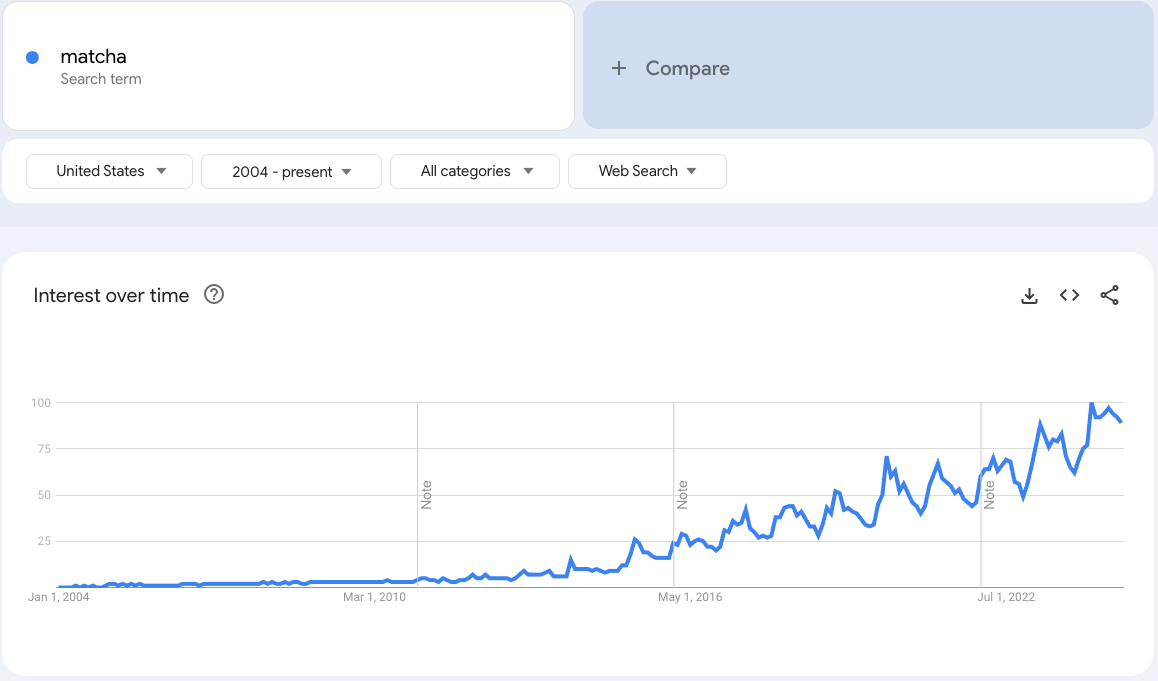
According to Google Trends, Matcha has grown in cultural relevance non-stop since January 1st of 2004. The growth remained slow but steady from January of 2004 until February of 2011, where it began its accelerated incline, doubling in conversational importance. That process kept consistent from February 2011 until December of 2014. The four months following December of 2014 saw the cultural relevance of matcha grow by 322%. From April of 2015 to March of 2020, we saw the relevance grow another 250%. Fast forward to where we are today (Q3, 2024) and Matcha has hit its all-time high in cultural relevance.
It is believed that Matcha was introduced into the mainstream for Americans in 2015. The growth of Matcha in 2020 directly correlates with the global pandemic. People were not able to go out to get a premade Matcha, increase the DIY matcha market. The current peak of 2024 relates directly to record high inflation. People are reevaluating if spending $6-$8/ day on a matcha latte at places like Starbucks is in their best financial interest. This is pushing individuals toward rediscovering the alternative value of making matcha at home.
Matcha seems as though it is here to stay. As this chart suggests, it may only be a matter of time before Matcha overtakes the cultural role of coffee. Get ready for a change in the everyday lives of average American citizens.
Ready to Try Matcha?
Experience the health benefits of our Organic Matcha firsthand – CLICK HERE to explore our selection and enhance your well-being.
Everything You Need to Know About Matcha: FAQs
What is matcha, and how is it different from regular green tea?
Matcha is shade-grown green tea milled into a fine powder. You whisk and drink the whole leaf, which delivers a fuller flavor and more concentrated antioxidants than typical steeped tea.
How is matcha made?
Plants are shaded before harvest, leaves are steamed and dried, then refined into tencha and stone-milled into matcha for a fine, silky powder.
What are the main matcha grades?
Ceremonial for drinking straight; latte/barista for milk drinks; culinary for baking and smoothies. Seek vivid color and smooth texture for quality.
How much caffeine is in matcha?
About 60–70 mg per ~1 tsp (2 g) serving on average, depending on quality and dose. L-theanine helps many people experience calm, focused energy.
How should I prepare and store matcha?
Sift 1/2–1 tsp, whisk with hot (not boiling) water—160–175°F (71–80°C)—then add water or milk. Keep airtight and away from light, heat, and moisture; refrigeration after opening helps.
Register For A Wholesale Account
We are excited to have you join our rapidly growing list of partners that are helping deliver high quality, delicious ceremonial grade matcha across the United States!